
Custom embroidered patches
Custom embroidered patches with texture, depth, and purpose.
Build a classic thread patch around the way it will be worn, collected, presented, or sold—with practical guidance on coverage, borders, backings, size, and readable detail.
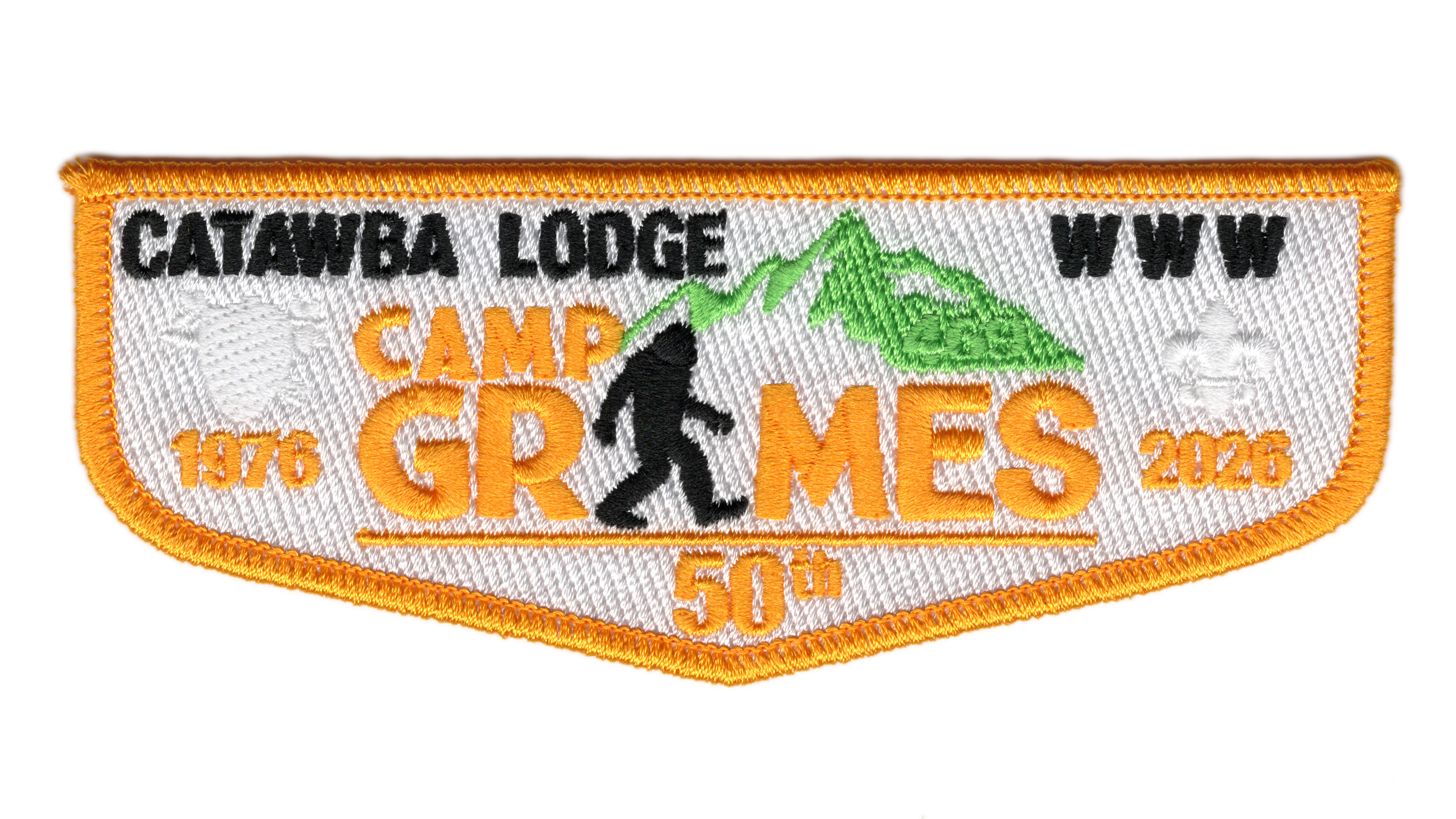 1 / 4
1 / 4Why choose this style
Designed around the way the piece should look and perform.
Embroidered patches begin with a twill base and build the artwork in thread. The result has raised texture, strong color, and the familiar character most people associate with a traditional patch.
50%, 75%, or 100% thread coverage
Merrowed or precision laser-cut border
Metallic, glow, neon, and specialty threads
Heat-seal, hook-and-loop, adhesive, or sew-on backing
Good to know
Choosing with clarity.
Embroidery is most successful when lettering and fine details are sized for thread. If the design is especially intricate or photographic, woven or printed construction may reproduce it more clearly.
Let us recommend the right specification →Where embroidery fits
A versatile construction with unmistakable character.
Embroidery works best when the tactile thread surface is part of the appeal and the artwork can be organized into clear, production-ready shapes.
Uniforms & identity
Organization logos, name and role identifiers, unit emblems, club patches, workwear, hats, bags, and recurring designs that need durable visual consistency.
Events & recognition
Participant, staff, commemorative, anniversary, award, and milestone patches with wording and imagery designed to remain readable at the final size.
Collectibles & apparel
Limited releases, merchandise, jacket patches, coordinated sets, fundraising pieces, and branded apparel additions where texture and border finish matter.
Thread-specific design
Plan the detail around needle and thread.
Embroidery translates artwork into individual stitches. Very thin lines, tiny counters in letters, close color shifts, and photographic detail may merge when reduced, so the proof must be judged at the actual finished dimensions—not only enlarged on screen.
Coverage also changes the result. Partial embroidery allows the twill background to remain visible and can control cost and weight. One hundred percent embroidery covers the face in thread for a denser, more dimensional finish.
- Lettering and outlines sized to remain open after stitching
- 50%, 75%, or 100% thread coverage selected intentionally
- Merrowed borders for traditional shapes or cut edges for custom silhouettes
- Sew-on, heat-seal, adhesive, hook, pin, or magnetic backing
- Metallic, glow, neon, felt, velveteen, or dimensional accents when appropriate
From idea to delivery
A documented proof before production.
The process can begin with finished artwork, a rough sketch, a prior item, or a written concept.
Assess the artwork
We begin with a logo, sketch, old patch, reference, or written concept and identify the details that must survive at finished size.
Build the stitch plan
Coverage, twill color, border, backing, specialty thread, and any necessary simplification are translated into a clear specification.
Review at actual size
The digital proof shows the full design and production notes. Check lettering, dates, layout, dimensions, and requested options.
Approve production
Production begins only after written approval. Finished patches are checked against the approved proof before they are shipped.
Representative embroidery
Texture works best when the hierarchy is clear.
Browse the full gallery for more shapes, collections, and Scouting-specific examples. View the project gallery.
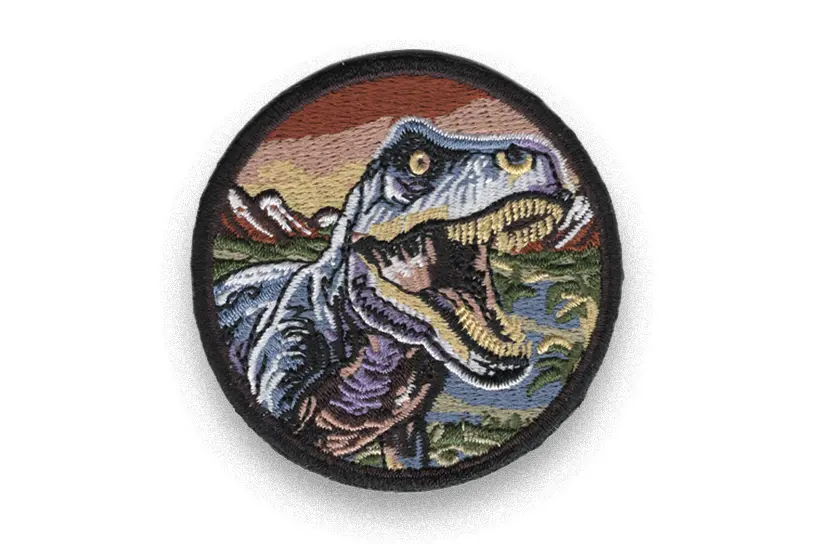
Clean shapes and controlled coverage
Bold lettering, deliberate thread direction, and a balanced border keep the emblem crisp without unnecessary detail.
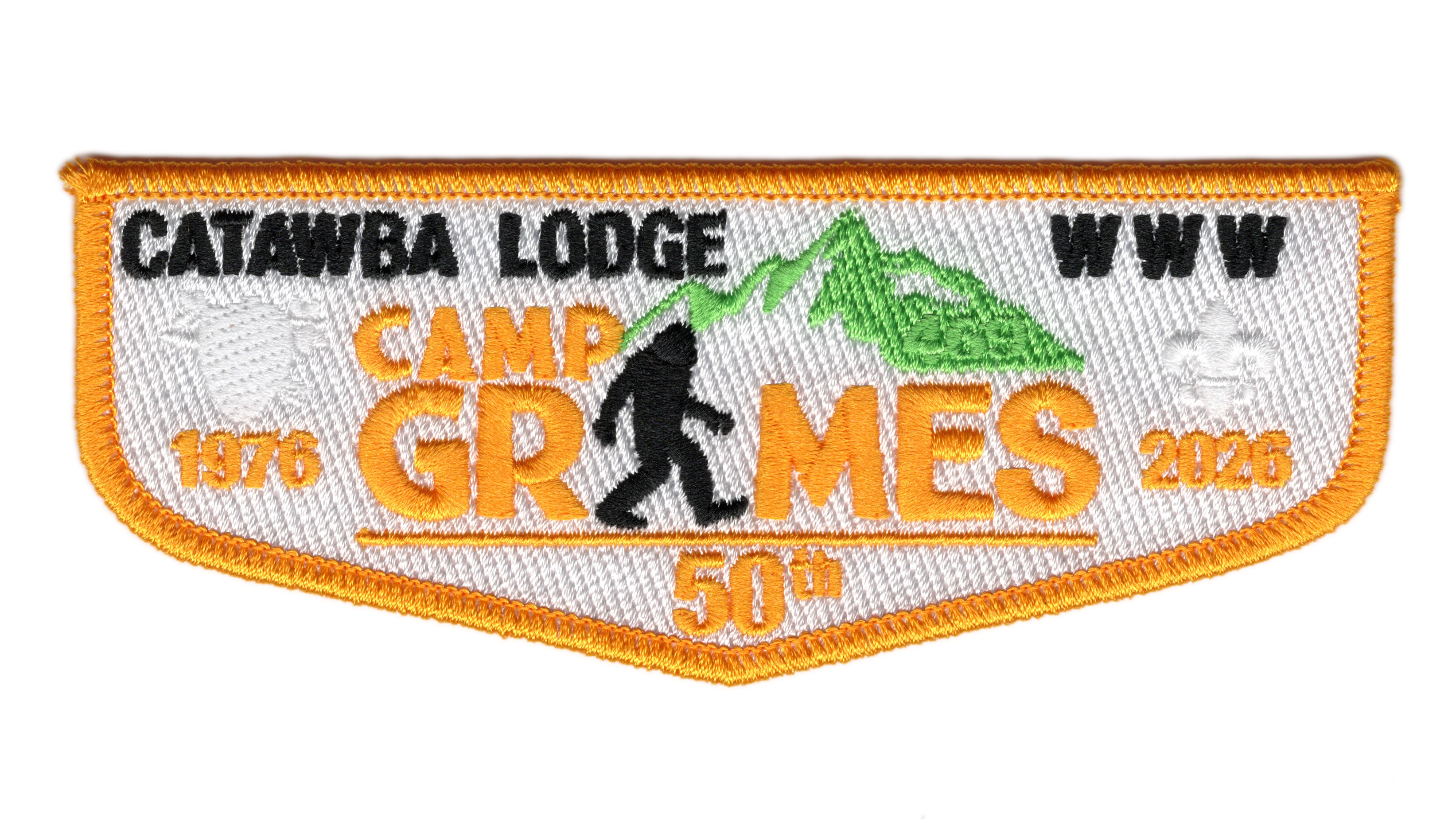
A scene, identity, and milestone in one form
Clear visual order allows a detailed illustration and essential wording to coexist within a narrow silhouette.
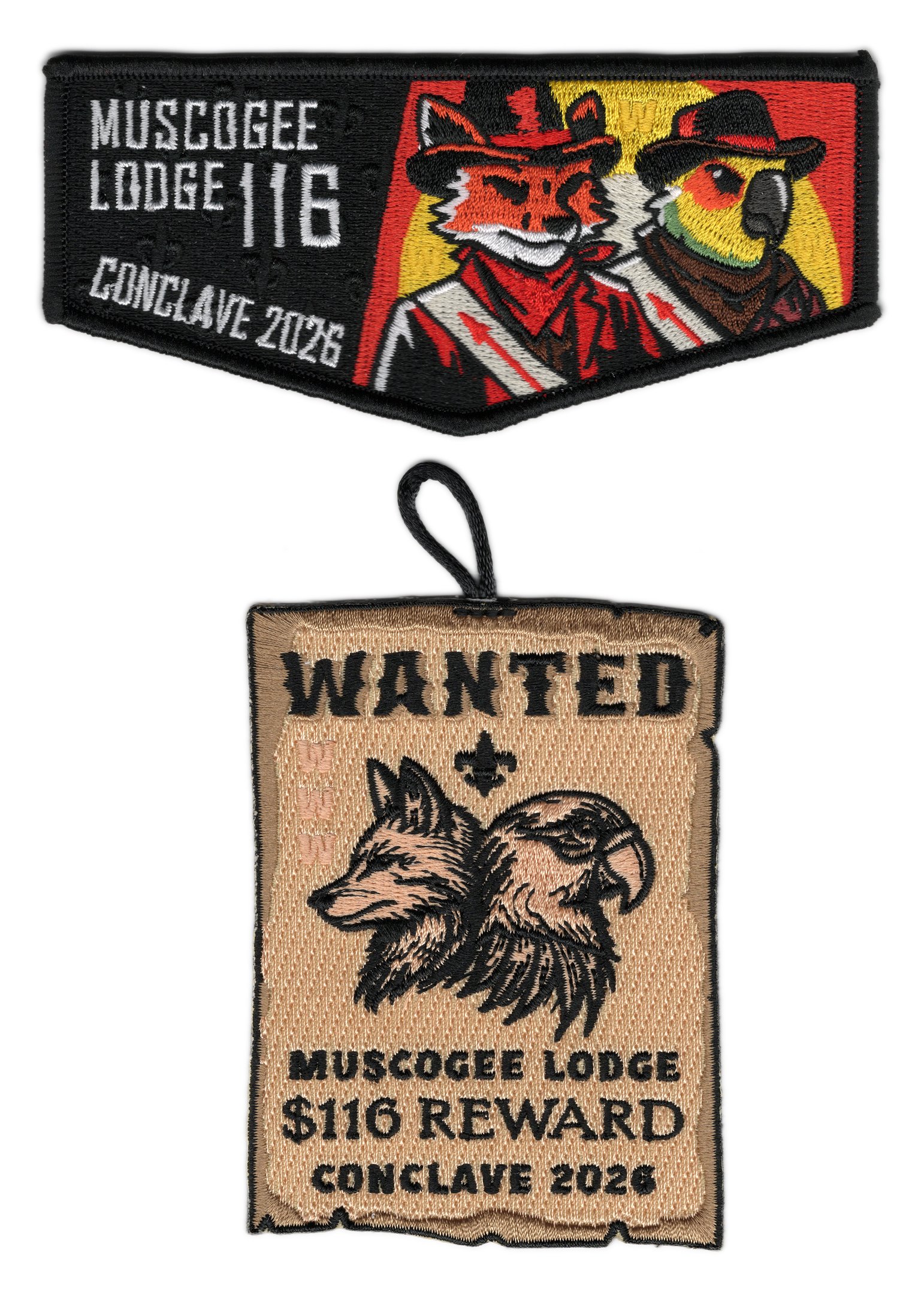
Shared artwork without identical pieces
Color, typography, and composition can connect several versions while preserving the purpose of each patch.
Questions before you begin
Product-specific answers.
For payment, shipping, reorders, samples, and general policies, visit the full FAQ.
What does 50%, 75%, or 100% embroidery mean?
The percentage describes how much of the visible patch face is covered with stitching. Lower coverage leaves more twill visible; 100% embroidery covers the surface in thread. The right choice depends on the artwork, desired texture, weight, and budget.
Should I choose a merrowed or laser-cut border?
A merrowed border creates the classic raised edge and works best around round, oval, square, rectangular, and other simple shapes. A precision cut edge follows irregular silhouettes and can be finished with a stitched edge treatment.
Are iron-on embroidered patches permanent?
Heat-seal backing can provide a strong bond on compatible fabrics when applied correctly, but fabric type, temperature, washing, and wear all matter. Sewing is the most secure long-term attachment, and some applications combine heat sealing with perimeter stitching.
How small can embroidered lettering be?
The practical limit depends on letter style, thread, contrast, and surrounding detail. Simple block lettering survives smaller than thin scripts. We evaluate the artwork at finished size and may recommend larger type, fewer words, or woven construction.
Should I choose embroidered or woven patches?
Choose embroidery for raised texture and a traditional patch appearance. Choose woven construction when small text, faces, landscapes, or intricate linework need finer detail and a smoother surface.
Start with the artwork
Let the thread carry the right details.
Share the use, quantity, approximate size, need-by date, and any artwork or inspiration. We will recommend coverage, border, backing, and a production-ready direction.
Request an Embroidered Patch Quote →